As featured in Waste Advantage Magazine – September 2026
How C.I.T.E. uses technical training to develop its people, strengthen customer support, and lower the total cost of collection.
A refuse truck that goes down can take an entire route with it. Getting it back in service requires a technician who can identify the real problem, understand how the systems work together, and make the right repair quickly before more time is lost. That kind of support does not happen by accident. It gets built through experience, continued education, and access to people who can help technicians keep up the pace as equipment changes.
At Central Indiana Truck Equipment (C.I.T.E.) in Indianapolis, IN, training has become a central part of how the company develops employees and supports customers. The Heil garbage trucks dealer has operated from the same location since 1961, when the business was founded by Clyde Vaught, Jr. More than 65 years later, the company remains heavily focused on Heil equipment and still follows a philosophy that has carried through several generations: invest in people first. The building looks much the way it did decades ago. The knowledge inside it, however, has never stopped growing.
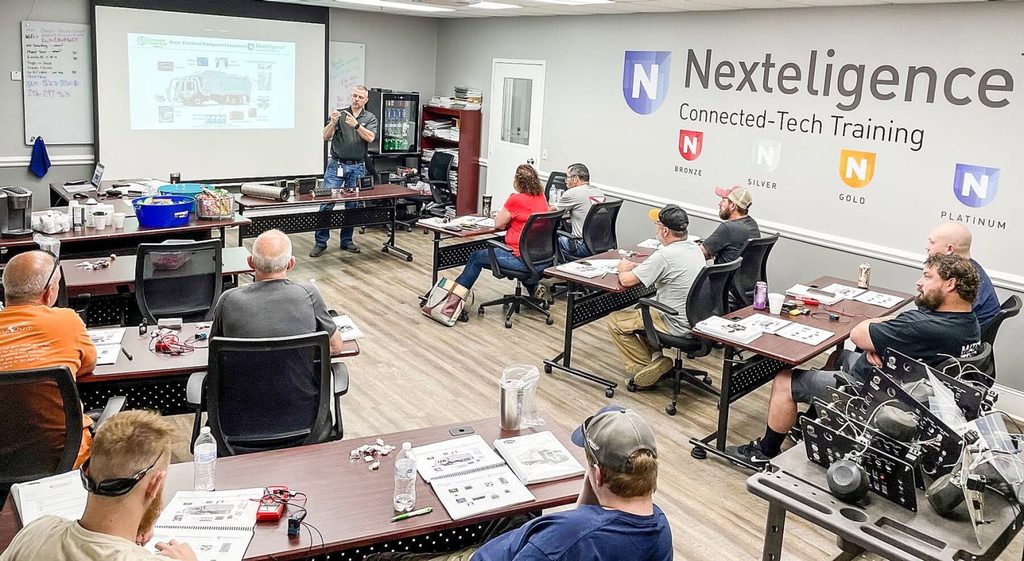
That commitment shows up in C.I.T.E.’s participation in Heil’s Nexteligence training program, which gives technicians a structured path from foundational instruction through Bronze, Silver, Gold and Platinum certification. Several members of the service team are enrolled in the program, including multiple technicians who have reached Platinum, its highest certification level.
For C.I.T.E., the certifications reflect an ongoing commitment to technician development. The goal is to build a service team that can diagnose problems faster, communicate clearly with customers, and keep equipment operating at the lowest practical cost throughout its working life.
A Business Built Around People
Facilities, tools and parts inventory all matter in a service operation. From the beginning, C.I.T.E. has believed the people using them matter much more. That thinking has shaped the company since its earliest years. Training, certification, and time off the floor for education and development are all costs a dealership can pause when the shop gets busy. C.I.T.E. has consistently chosen not to do that.
In a technical field, that investment cannot stop once a new hire learns the basics. Refuse equipment combines hydraulic, electrical, mechanical, and increasingly advanced digital systems. A problem that looks isolated to one component is often connected to something else entirely. Technicians need to know how to perform the repair, but they also need to diagnose the system that caused the failure. That is why a structured training path matters.
Nexteligence garbage truck technician training lets team members start with core concepts and keep building over time. Coursework covers electrical systems, hydraulics, multimeter fundamentals, product knowledge, diagnostics, troubleshooting, and preventive maintenance. Each subject supports the next. A technician who understands electrical fundamentals is better prepared to trace a circuit problem. Someone with a firm grasp of hydraulics can evaluate pressure, flow and component performance instead of replacing parts based on symptoms. Product-specific knowledge ties those fundamentals to the equipment the technician sees in the shop and in the field. The result is a technician who understands the whole machine, not just the component sitting on the bench.
Learning from the People Who Know the Product
One of the benefits C.I.T.E. values most is the chance for technicians to learn directly from experienced Heil personnel. “When you’re in a room full of Heil employees who know the product inside and out, it’s so rewarding to learn from people with decades of experience,” said Samuel Vaught, Key Account Manager at C.I.T.E.
“Heil’s training gives our technicians far more than certifications. It equips them with the knowledge, confidence, and problem-solving skills to diagnose issues accurately, communicate effectively with customers, and keep trucks operating at the lowest possible cost throughout their service life. That investment in our people directly translates into better support for our customers,” said Vaught.
That access adds practical knowledge that is almost impossible to capture in a manual. Experienced instructors can explain why a system was designed a certain way, point out the conditions that usually lead to a failure, and share troubleshooting approaches built over years with the equipment. That context follows the technician back to the dealership. A service manual explains how a component should operate. An instructor can also explain what to look for when it does not, which symptoms tend to mislead technicians, and how one issue creates another somewhere else in the system.
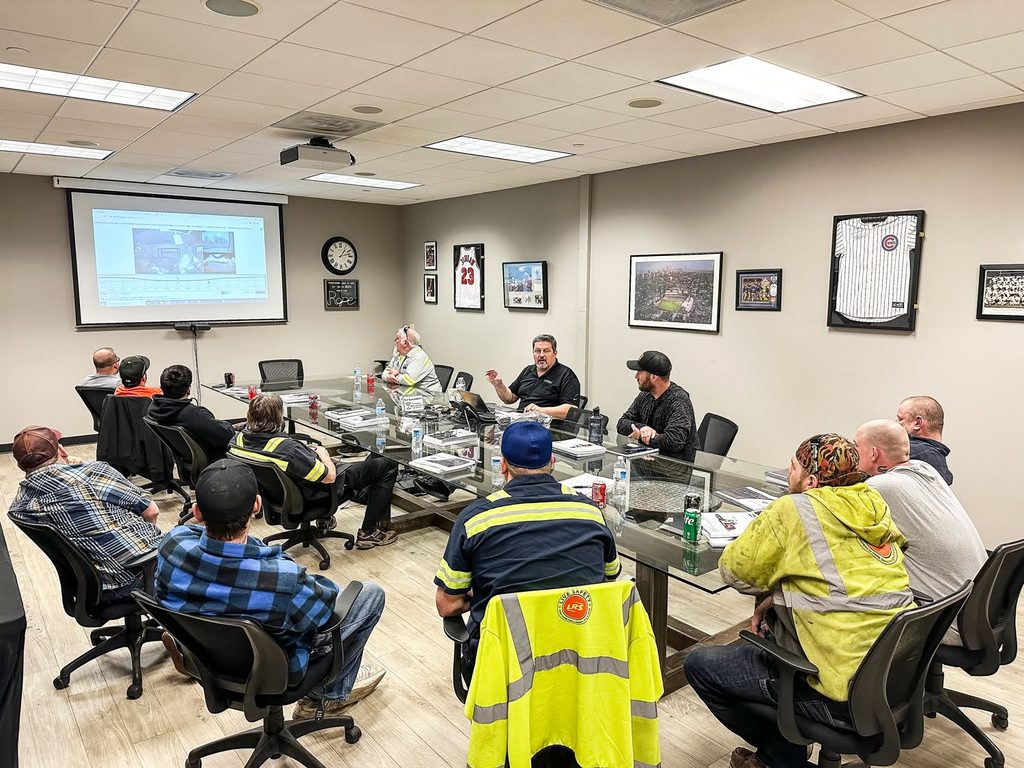
The training is built around real-world issues technicians encounter in the field. They bring real questions and recurring problems into the classroom, where instructors connect those experiences to product design, maintenance procedures, and operating conditions. Training becomes less about simply memorizing information and more about learning how to think logically through equipment.
A Path that Continues Throughout a Career
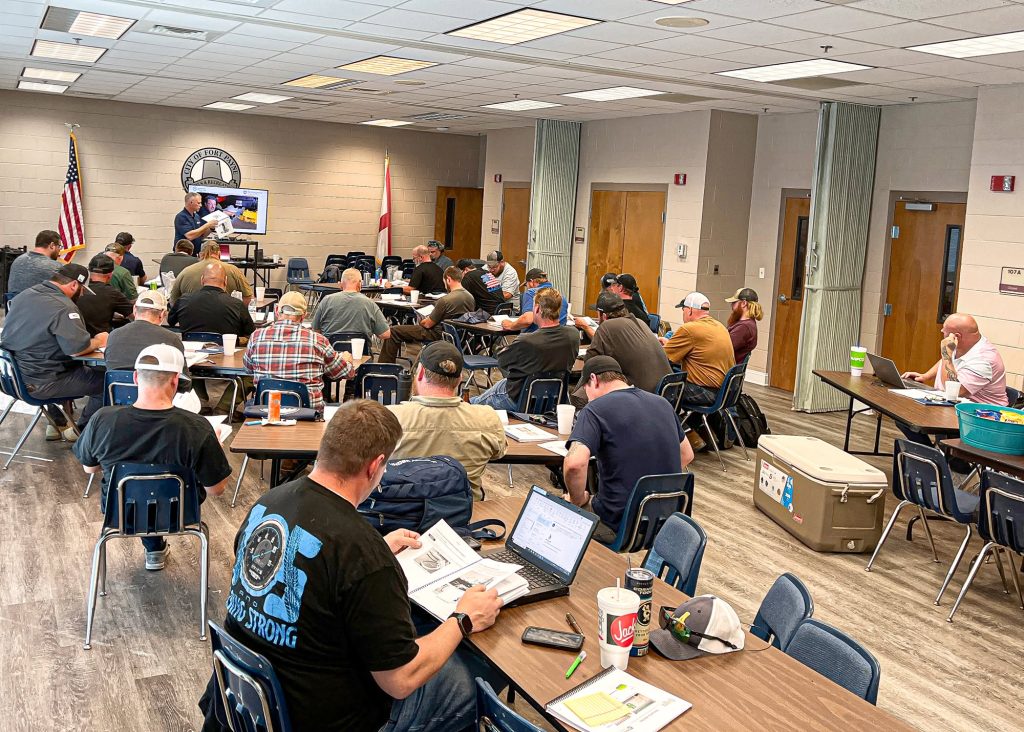
Technical education works best when it does not end after one course. C.I.T.E. sees real value in the program’s multiple levels, because technicians can keep expanding their capabilities as their experience grows. Someone early in a service career may need a strong foundation in electrical testing or hydraulic principles. A veteran may be ready for advanced diagnostics, deeper product knowledge, or preparation for customer-facing work. Each level gives the technician somewhere to go next.
Several C.I.T.E. technicians have continued through to higher certification levels, including multiple Platinum certifications. Getting there takes commitment from the technician and support from the employer, particularly in a busy shop where pulling someone off the daily schedule is never simple. The return comes back as technical capability and confidence.
A technician who knows the equipment well can explain what happened, why it happened, and what the customer can do to keep it from happening again. That matters most when the technician is standing in front of fleet managers, maintenance personnel, or operators who need more than a repair order. They need an answer they can trust. The program also prepares technicians for the customer-facing side of the job, helping them explain problems clearly, recommend the right solution, and confidently represent the dealership professionally.
Flexibility without Putting Development on Hold
Finding time for training is a persistent challenge in any service organization. When daily demands keep taking priority, technician education and development can easily stall.
Trucks keep arriving, customers need answers, and emergency repairs move to the front of the line. In that environment, training is often the first thing pushed aside, even though continued technician development is one of the most effective ways to shorten diagnostic time, prevent repeat repairs, and keep the workload from becoming even harder to manage.
The online portion of the Nexteligence program helps with that. Technicians complete coursework at their own pace, around whatever the business is throwing at them that week.
That cuts travel requirements and makes ongoing education far easier to reach. Instead of waiting for the one week when a technician, an instructor, and a classroom all line up, employees keep learning between daily responsibilities.
Self-paced instruction also gives technicians more control over how they absorb the material. They can revisit a difficult topic, review a section before working on a related system, or move quickly through material they already know.
For the dealership, online access makes training easier to schedule across several employees without pulling the whole group off the floor at once. Hands-on instruction remains an essential part of the program, with in-person training strategically reserved for procedures and diagnostic work that technicians need to practice directly on the equipment.
Some Lessons Must Be Hands-On
Online courses can explain how a system works, walk through testing procedures, and establish the concepts a technician needs. There is still no substitute for standing beside the equipment, tracing the system and doing the work firsthand. C.I.T.E. puts considerable weight on the factory training portion of the program for that reason.
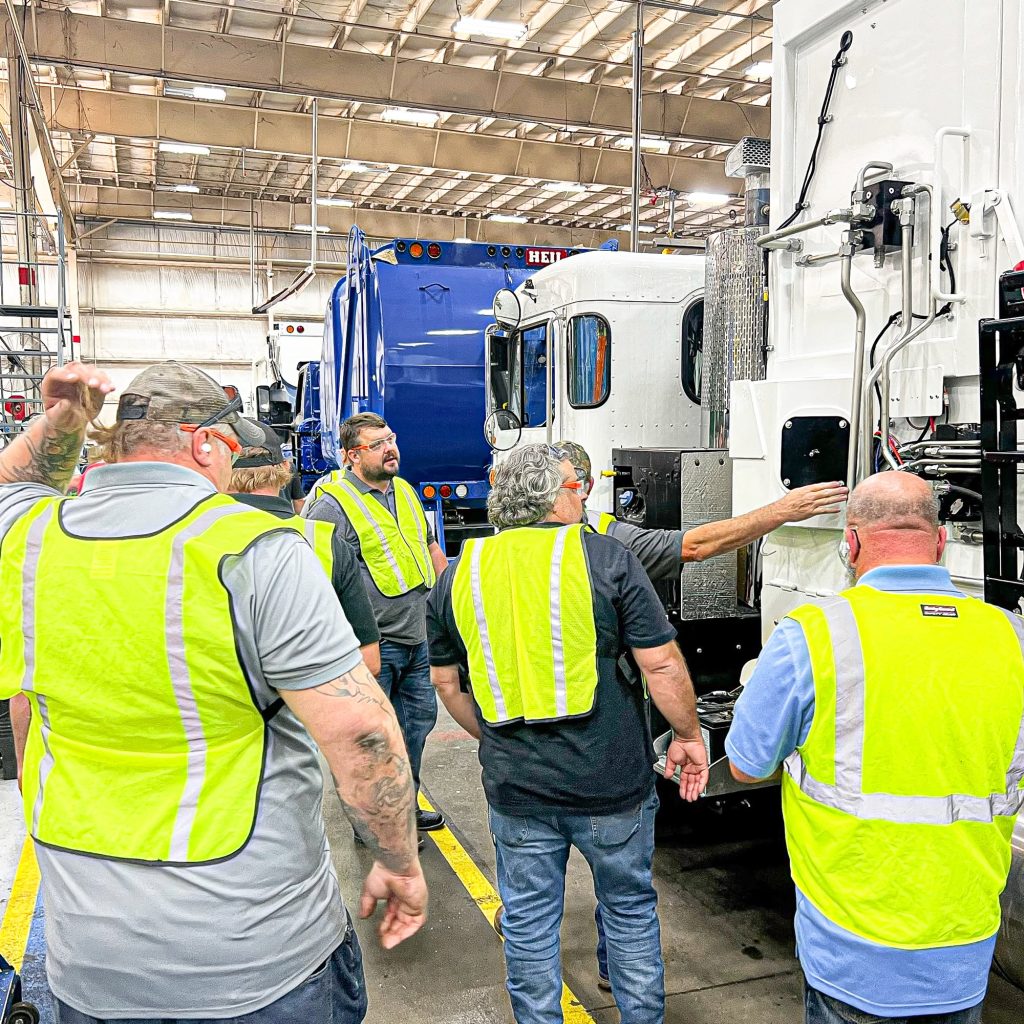
Visiting the Heil manufacturing facility lets technicians see products in greater detail and get hands-on experience under people who know the equipment inside and out. Components that are hard to reach or hard to picture on a completed truck can be examined clearly. Procedures get demonstrated, practiced, and discussed in a setting built for learning.
A technician may understand hydraulic theory from an online course, but seeing the routing, the controls, and the operating sequence on the equipment puts that knowledge in context. The same holds true for electrical diagnostics, preventive maintenance and product-specific troubleshooting.
Books and online instruction build the foundation. Factory training shows technicians how to apply that knowledge when the truck is back in the shop. The combination is what gives the program its strength. Technicians are not locked into one format or expected to learn everything the same
Click here to learn more about Heil Nexteligence Technician Training
Click here to learn about 3rd Eye Nexteligence Technician Training